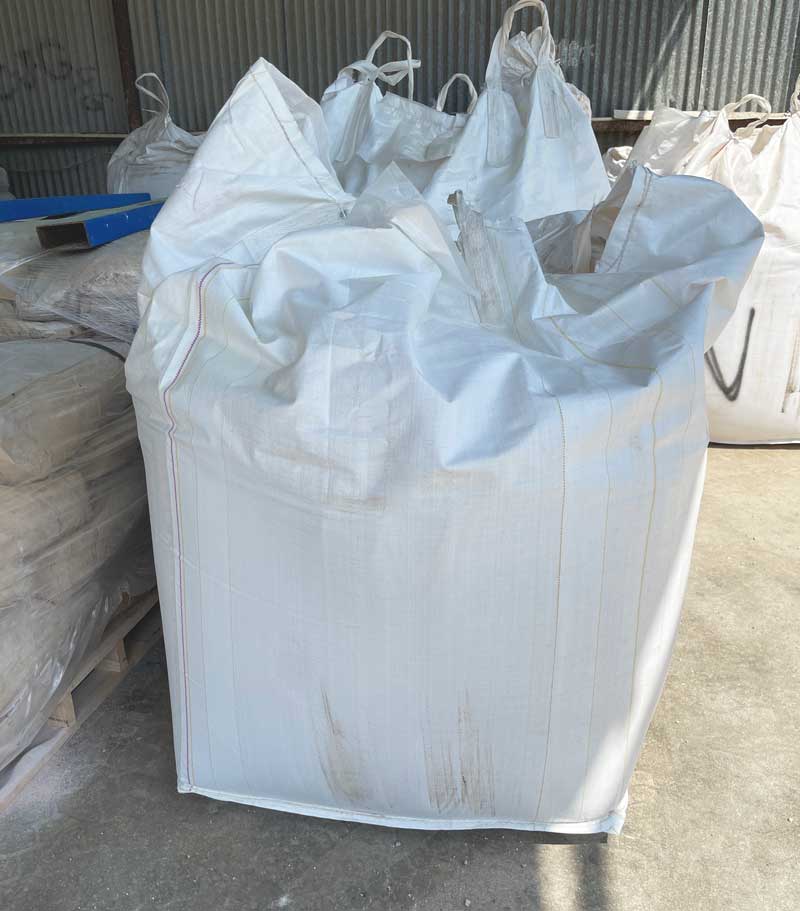
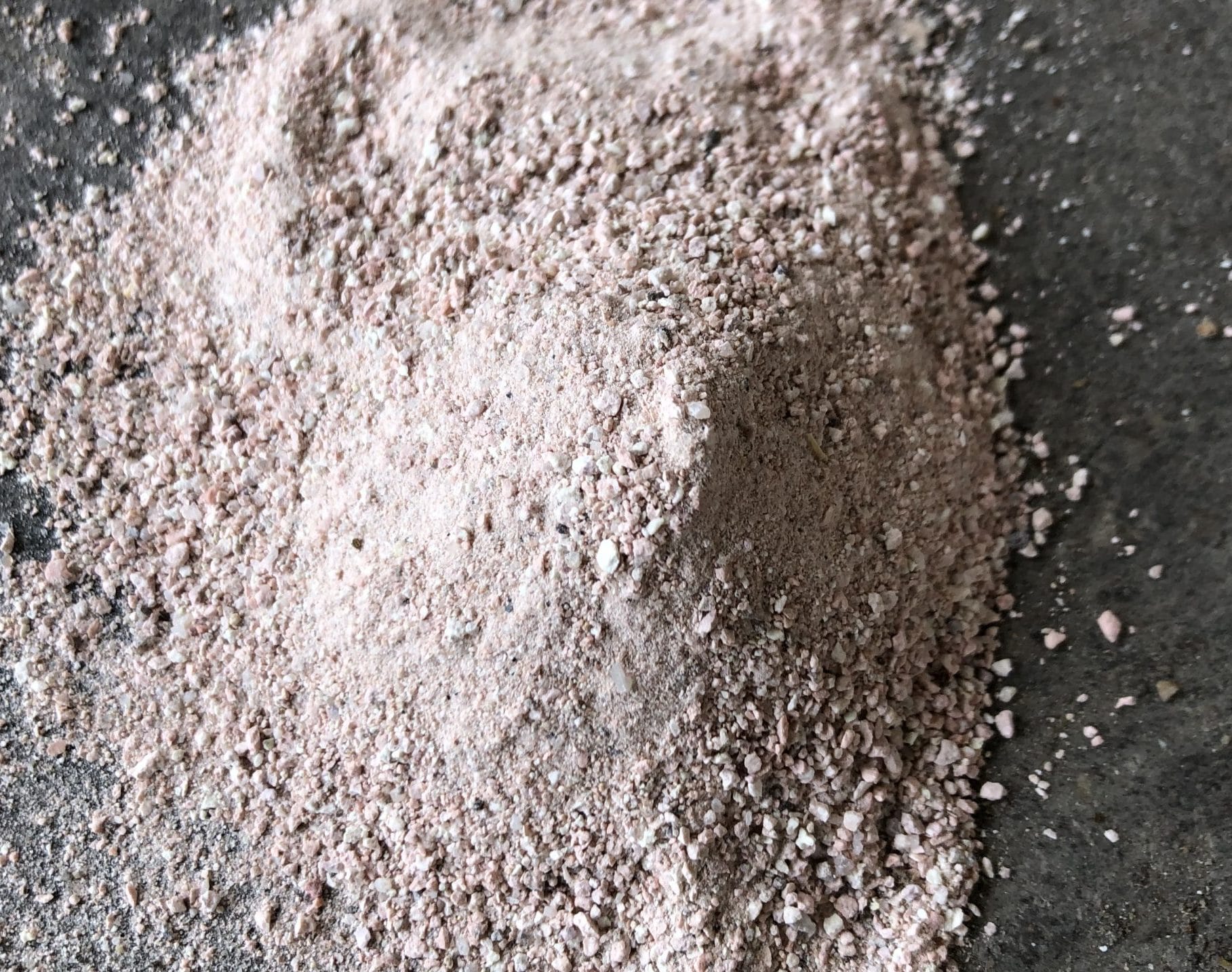
Sodium bentonite for pond sealing, reservoirs, lagoons, drilling, water treatment and industrial applications. Available in 50 lb bags, 3,000 lb super sacks and full truckload quantities.
Delivered quotes typically prepared within 36 hours.
Natural ClayLow-permeability sealing materialFlexible ApplicationFits irregular pond shapesBulk FormatsBags, super sacks and truckloadsProject GuidanceMaterial, freight and application support
NATIONWIDE FREIGHT
Bulk Bentonite Delivered Across the U.S.
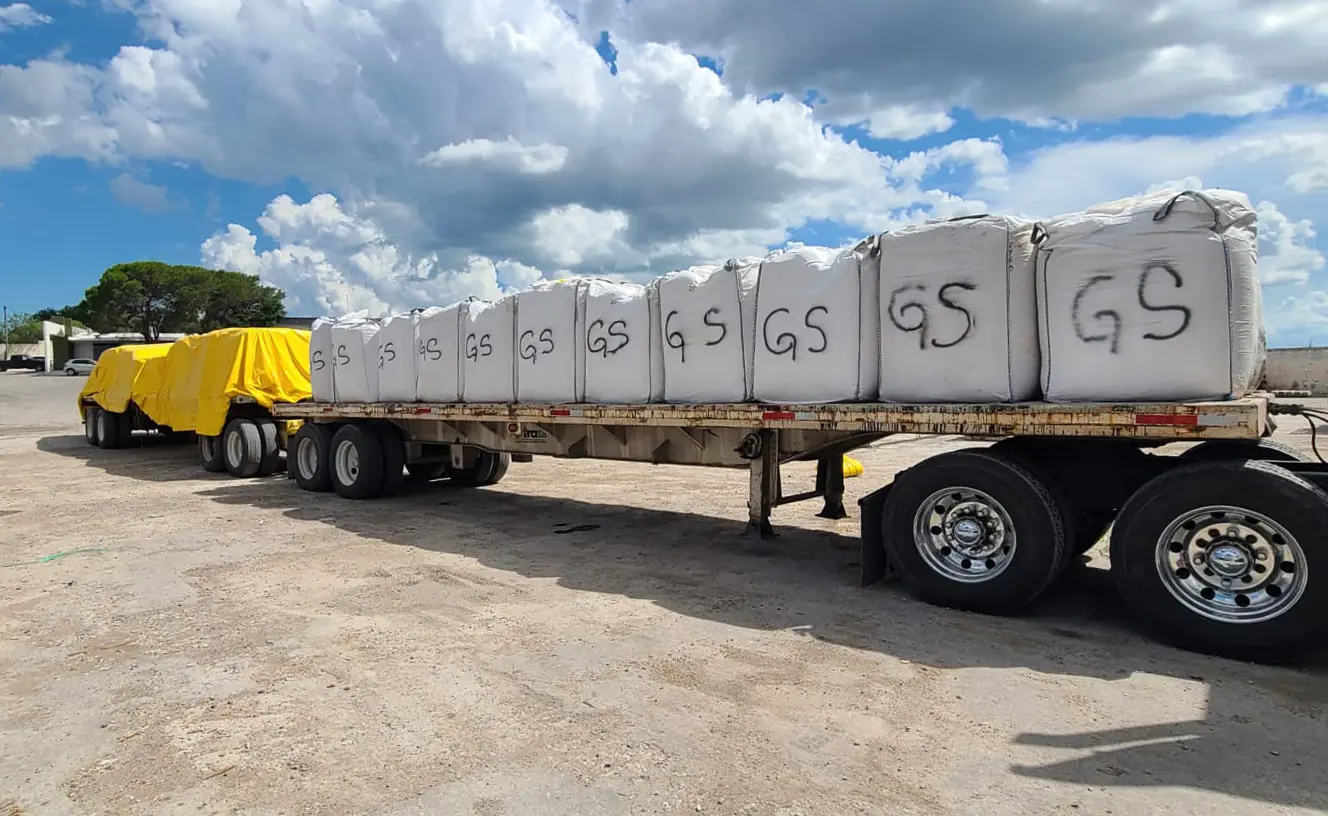
We coordinate pallet, LTL and full-truckload shipments. Freight is quoted according to quantity, destination, unloading requirements and current carrier availability.
50 LBBags & PalletsFlexible handling for smaller orders and job sites.
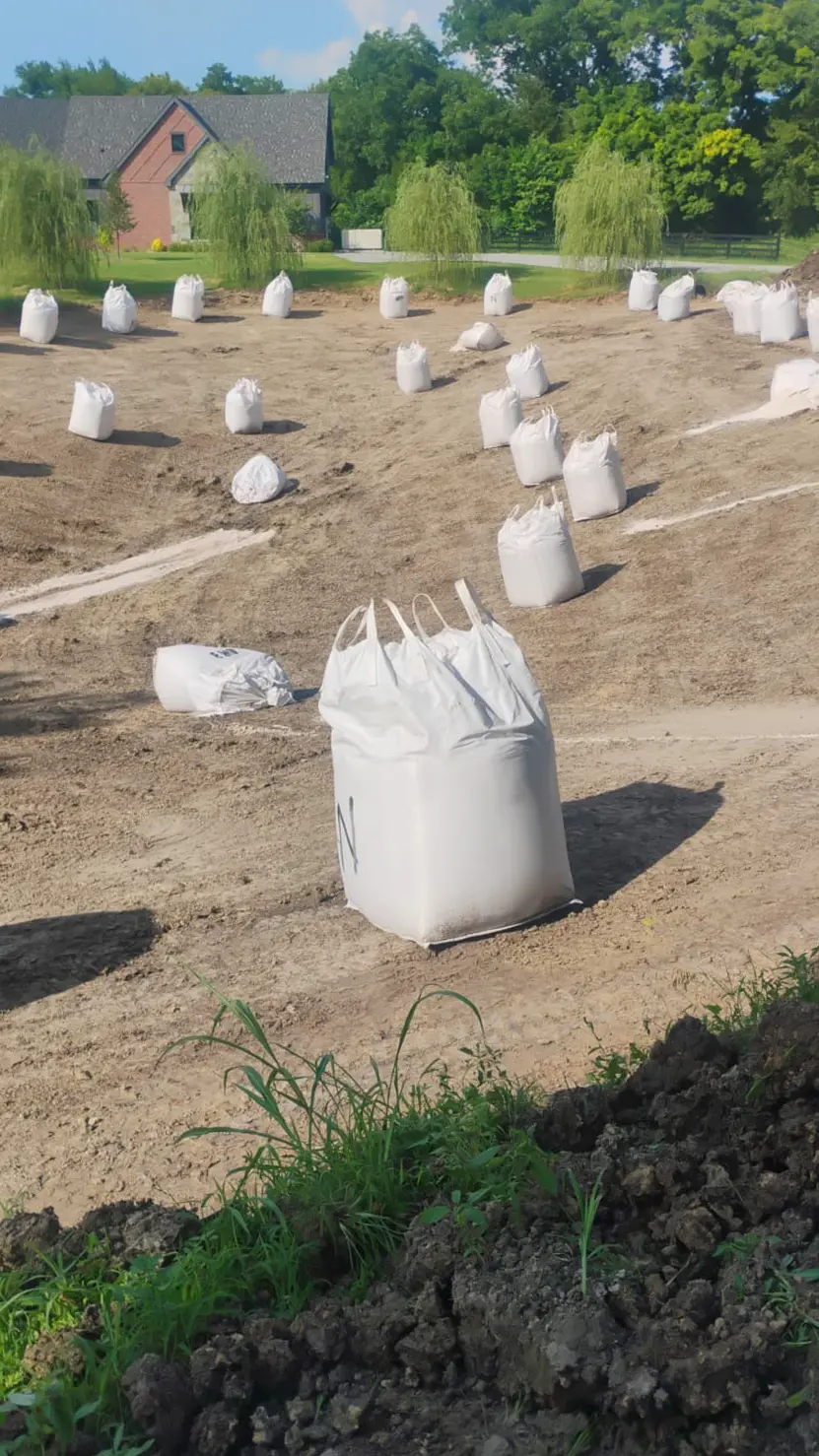
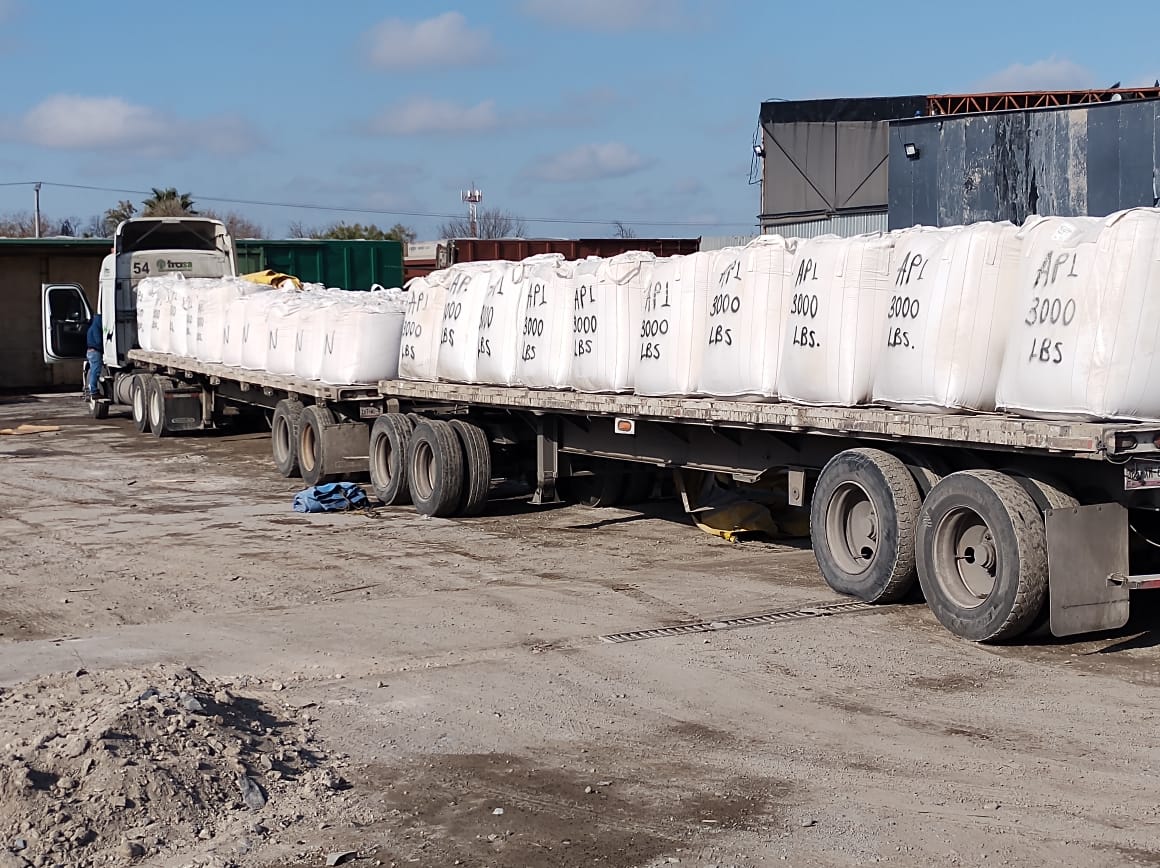
3,000 LBSuper SacksEfficient bulk format for medium and large projects.
45,000 LBTruckloadsBest fit for large-volume and multi-truck projects.
★★★★★ We had a great experience with Lone Star. From the first to the last, they were extremely professional. Ricardo patiently walked us through every step of the process and answered all of our questions thoroughly. Alex was very communicative and managed his crew very well.The crew were efficient and considerate of our property. The skill level of the tractor work was beyond compare with anything we have experienced previously. Adan is an absolute master Tractor operator! This is the third time we have had our pond worked on by different companies, and this was far and away the best experience. No comparison really between the other two companies and Lone Star. I cannot recommend them enough! This is our first (And last!) Time to use the sodium bentonite, and we are expecting excellent results. The pond is beautiful and perfectly shaped. Now we just need rain!Catherine R. ★★★★★ Lonestar did an outstanding job on our 45,000 pounds of Bentonite. Turn around time, price, and communication is umnmatched. We will absolutely be using Lonestar again.Thank you LonestarJohn S. ★★★★★ Fast, friendly service. Having rented a trailer to haul the pallet of calcium bentonite, quick turn around was important to me to avoid additional rental charges for the trailer. I had a special request to put a portion of the load in my SUV, which they did without delay or incident. The sales transactions prior to pickup were also completed smoothly and coordination was superb. The entire experience exceeded my expectations.MG L. ★★★★★ They were extremely helpful with my leaking pond issues and went the extra mile to get me what I needed. Pond is looking greatForrest W. ★★★★★ My experience with Lone Star GTC Minerals was outstanding. Rick offered top-notch customer service, explaining all the pond details I never knew. Plus, their pricing is extremely competitive. I highly recommend them!SemperApeStrong ★★★★★ Lonestar GTC materials was great to work with. I had bentonite delivered for my pond. They communicated every step, very good pricing and friendly. I highly recommend them. Even a few week after they delivered they helped me out when they didn’t have to. If you need bentonite these are the right people.Byron S. ★★★★★ Purchased 90,000 pounds of pond sealant bentonite. We applied to our pond as directed and achieved great results! Good service, friendly staff and highly recommended to everyone.Joaquin L. ★★★★★ I called in with a question and was fortunate to speak with a gentleman named Rick. He was very helpful and it was evident that he has the experience to answer any question asked with respect to their products. He went above and beyond in helping me and had a tremendous amount of patience. If you're sealing a pond and need sodium bentonite... I suggest you call Rick.jake S. ★★★★★ We had a wonderful experience working with LoneStar Minerals. Footbridge Foundation is a foster-based animal rescue, and we provide cat litter to all of our foster homes as well as the cats receiving care in our clinic.We go through litter incredibly quickly, and it can be a significant expense for a smaller nonprofit.When we recently ran out, LoneStar Minerals graciously stepped in and donated an incredible 5,000 pounds of bentonite cat litter to help us continue caring for the cats in our rescue.David and Arturo were both incredibly kind, knowledgeable, and helpful throughout the process. They took the time to answer our questions and make sure we had exactly what we needed.We’re incredibly grateful for their generosity and support of our mission. If you’re looking for bentonite or other mineral products, we highly recommend LoneStar Minerals.They’re an honest, knowledgeable company and wonderful people to work with.Footbridge Foundation Animal R. ★★★★★ Exceeded expectations. Very quick on order process, delivery and great communication. Delivery was on time and in good shape. I could not be more impressed with the communication, speed and quality.Will D.
We’ve supplied bentonite for projects in:
Colorado
Florida
Alabama
Oklahoma
Arkansas
New York
California
Montana
Wyoming
Minnesota
North Dakota & South Dakota
Nebraska
Illinois
Nevada
Arizona
New Mexico
Indiana
Georgia
Alabama
Kentucky
North Carolina
PROJECT PLANNING
Tell Us About Your Project
Share the project dimensions, soil conditions, delivery location and estimated timeline. We will help determine an appropriate quantity and prepare a delivered-price quote.
From pond sealing and repair to water treatment, drilling and industrial minerals, choose the solution that matches your application or contact us for guidance.
POND SEALING
Bentonite Pond Sealer
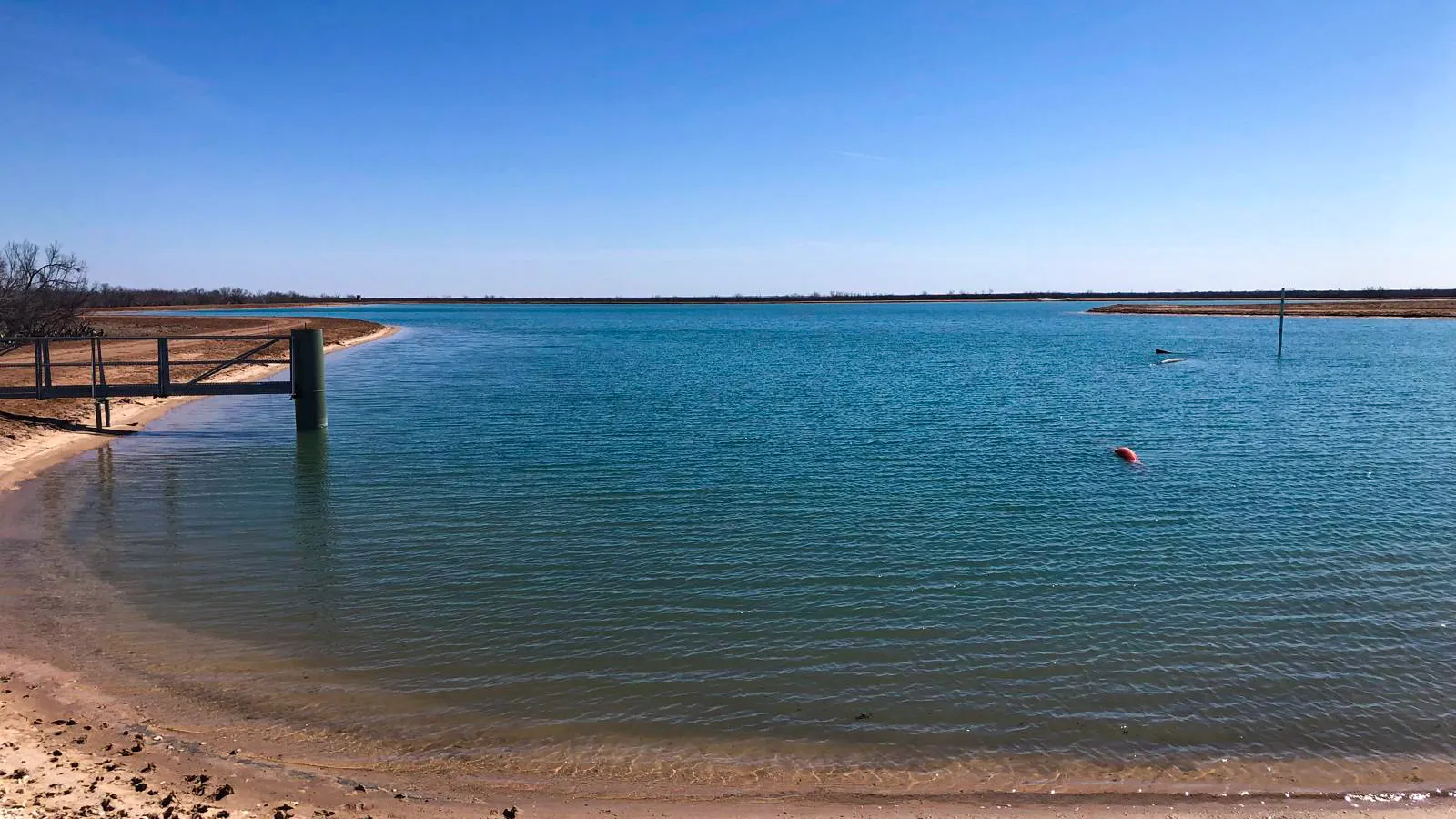
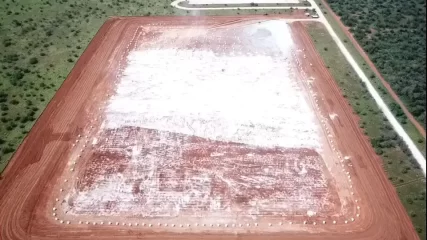
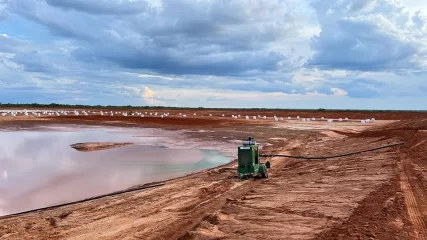
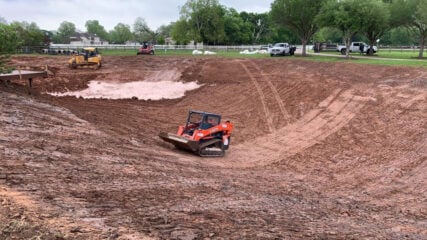
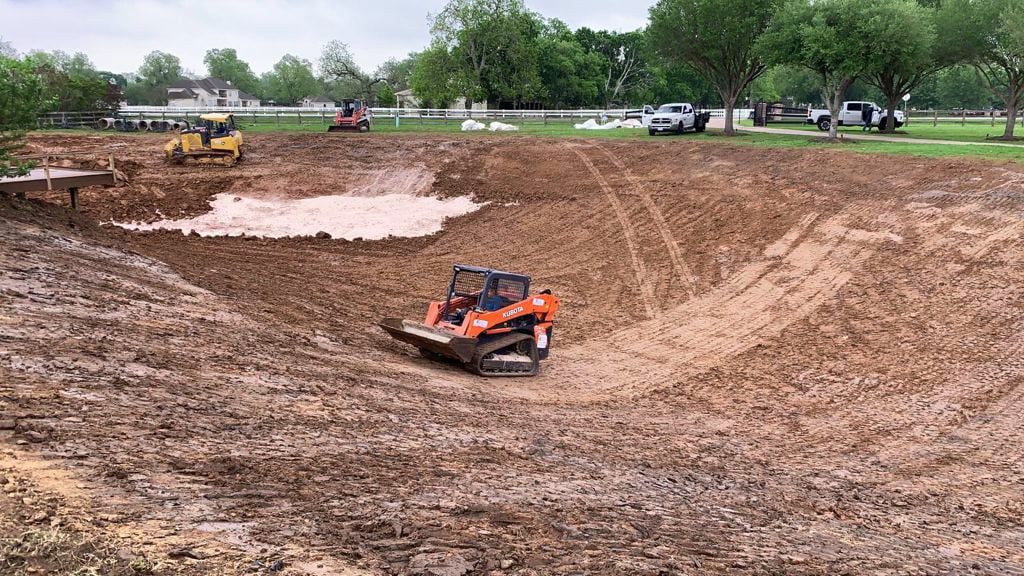
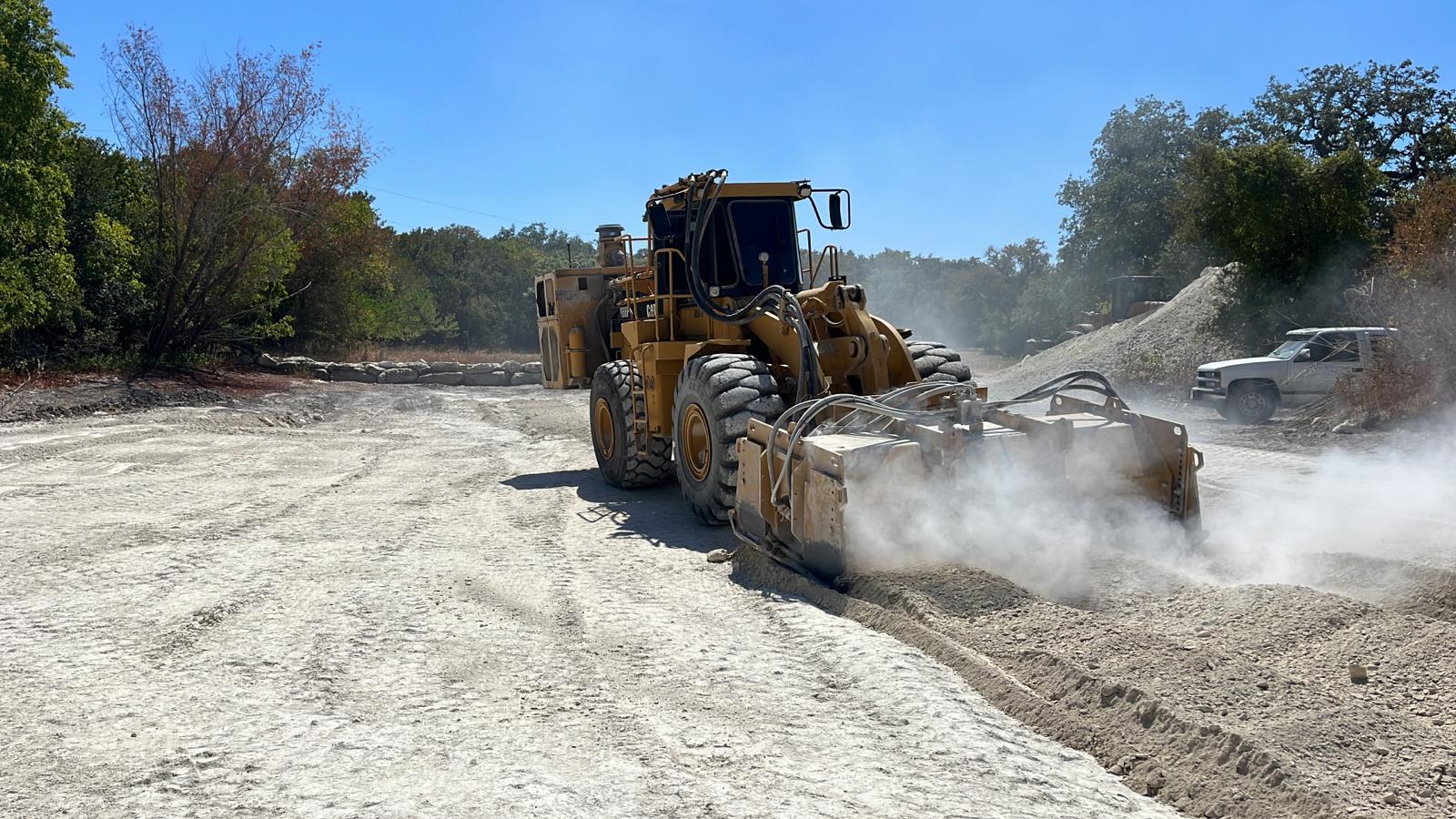
Bulk sodium bentonite for dry or drainable ponds, reservoirs and other water-containment projects.
From material selection to freight coordination, Lonestar supports projects that need more than a product page and a checkout button.
60+ YearsMinerals and pond experienceBulk PricingCommercial quantities and truckloadsNationwide FreightDelivery coordination across the U.S.Multiple FormatsBags, super sacks and bulk loadsProject GuidanceQuantity, packaging and application supportIndustrial SupplyMinerals for multiple applications
POND REPAIR SERVICES
Need Help With a Leaking Pond?
If you are not sure whether bentonite, another treatment method, or a full repair service is the right next step, our team can review the project and recommend a practical path forward.
Pond leak reviewRepair guidanceMaterial + service supportLarge-project experience
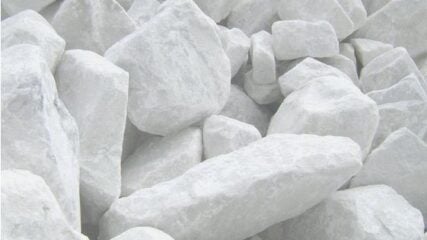
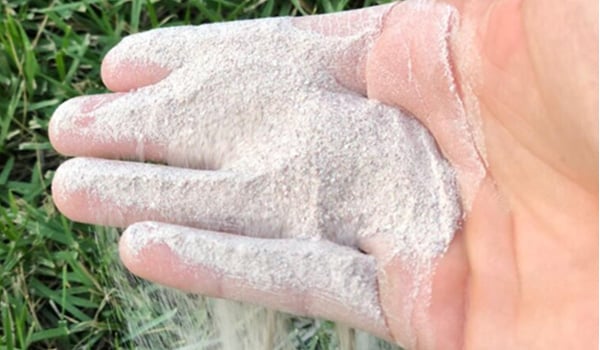
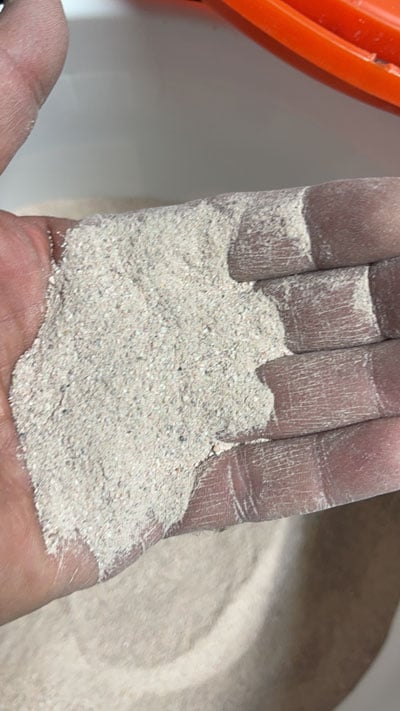
Sodium bentonite is a naturally occurring swelling clay rich in montmorillonite. When hydrated and properly confined, it expands into pores and small pathways, helping create a low-permeability barrier.
That behavior makes bentonite useful far beyond pond sealing. Lonestar supplies mineral products for water containment, drilling, treatment and industrial applications.
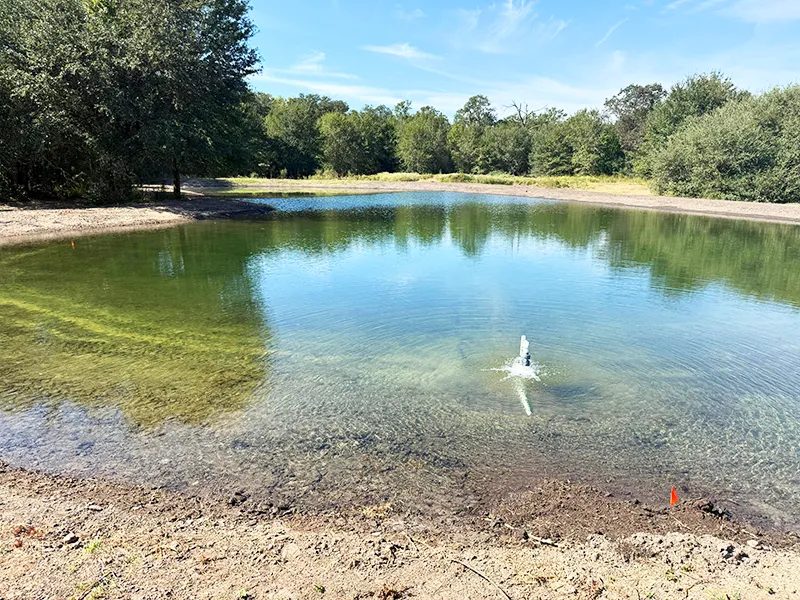
Pond SealingLow-permeability liners for ponds, reservoirs and lagoons.
DrillingMineral products for drilling-fluid applications.
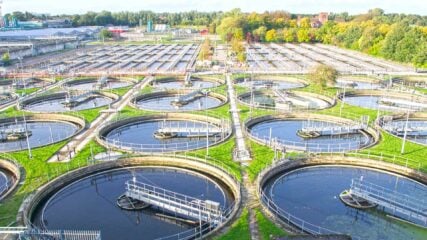
Water TreatmentClay blends for treatment and filtration processes.
Industrial UsesFoundry, construction and other mineral applications.
Need bulk material? Lonestar can help select the product format and coordinate freight from pallet quantities through full truckloads.